Exactly How BAL Report Impacts Bush Fire Security Actions
In the world of bush fire security, the Structure Assault Level (BAL) record stands as an essential tool that significantly influences the safety and durability of buildings in fire-prone areas - BAL Report. The impact of a BAL analysis extends far beyond plain documents; it functions as the keystone for identifying the appropriate building and construction criteria and fire security actions needed to mitigate the dangers postured by bushfires. As neighborhoods face progressively extreme fire periods, comprehending just how the BAL record forms these safety steps comes to be paramount for building contractors, policymakers, and home owners alike
Recognizing the Bushfire Assault Level
Significance of BAL Report Assessment
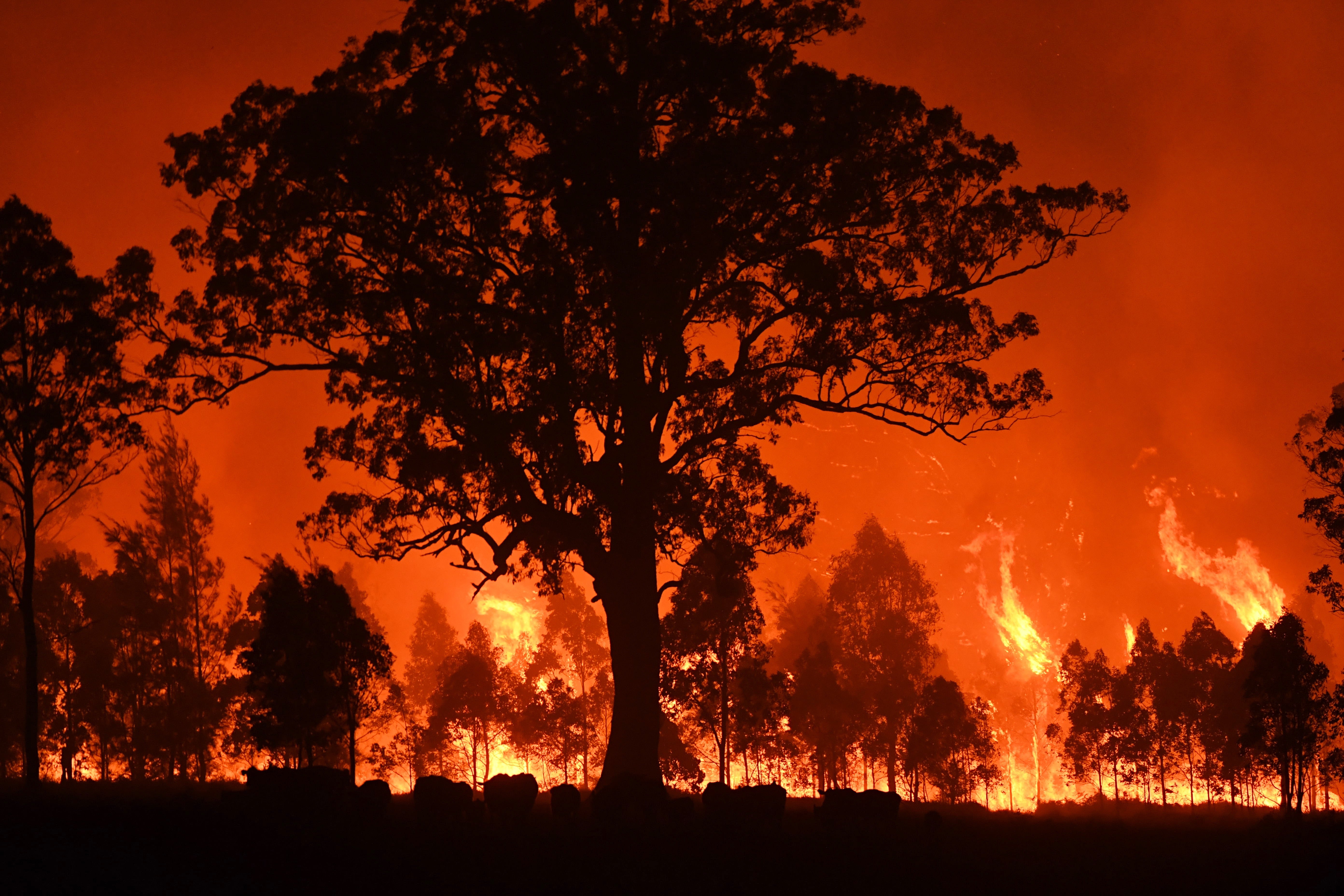
Furthermore, the BAL record evaluation works as a fundamental step in following legal obligations and needs associated with bushfire security. Regional councils and authorities commonly mandate the entry of a BAL record as component of the planning and structure authorization procedure to ensure that residential or commercial properties are appropriately guarded versus bushfire dangers. Failing to carry out a complete BAL record evaluation can result in poor security steps, leaving residential properties vulnerable to ruining bushfire cases.
Building And Construction Specifications Based Upon BAL
A detailed understanding of the Bushfire Attack Level (BAL) makes it possible for homeowner to carry out building and construction requirements customized to their particular risk profile. Building standards based upon BAL are crucial in mitigating the impact of bushfires on properties. The BAL ranking classifies the potential danger a property encounters during a bushfire on a scale from BAL-Low to BAL-FZ (Fire Zone) Each BAL level corresponds to additional resources particular construction needs outlined in the Australian Standard AS3959-2018 Building And Construction of Buildings in Bushfire-Prone Locations. Residential or commercial properties identified as BAL-Low may why not find out more only require fundamental measures such as removing particles and preserving yards, while those in higher BAL classifications require more robust measures like cinder displays, fireproof materials, and sealed windows. Adhering to these construction standards not just enhances the structural durability of the residential or commercial property yet also boosts the overall security of citizens throughout a bushfire occasion. Residential or commercial property owners should carefully consider their BAL rating and comply with the corresponding construction standards to effectively safeguard their homes and occupants.
Implementing Fire Protection Actions
With the structure of building and construction standards based on Bushfire Attack Level (BAL) in place, the emphasis currently shifts in the direction of the practical implementation of fire protection steps to strengthen residential properties versus bushfire threats. Easy steps include making use of fireproof structure materials, setting up ash guards on vents, securing voids in roofing systems and wall surfaces, and preserving a clear room around the home complimentary from combustible greenery. By integrating both passive and energetic methods, homes can considerably lower their susceptability to bushfire incidents and raise the safety of passengers.
Shielding Houses Versus Bushfires
Successfully guarding homes versus the damaging effects of bushfires needs a detailed and proactive approach to fire protection steps. Property owners residing in bushfire-prone locations should focus on the execution of different techniques to boost their home's strength versus wildfires. One basic aspect is producing a defensible space around the home by maintaining a clear zone devoid of flammable site link materials. This includes consistently trimming plants, eliminating dead plants, and making certain a risk-free range in between frameworks and trees. Installing fireproof roof covering products can additionally considerably reduce the threat of cinder attacks and straight fire get in touch with. Furthermore, sealing spaces and vents to avoid coal invasion, along with incorporating fire-resistant windows and doors, can assist strengthen the home's protection versus bushfires. Investing in a dependable water source, such as a properly maintained automatic sprinkler or a specialized water container, is vital for supplying water during fire emergency situations - BAL Report. By accepting a positive position and incorporating these protective actions, house owners can considerably enhance their possibilities of safeguarding their homes versus bushfires.
Final Thought
In verdict, the Bushfire Assault Degree (BAL) report plays an important duty in determining the needed security actions against bushfires. Implementing fire protection actions based on the BAL record is necessary in safeguarding residential or commercial properties from possible bushfire hazards.
In evaluating bushfire threat to properties, recognizing the Bushfire Assault Degree (BAL) is a critical element for carrying out effective defense steps. On the whole, a clear understanding of the Bushfire Assault Level is essential for implementing adequate defense actions and reducing the effect of bushfires on residential properties.
