Essential Tips for Bushfire Monitoring to Ensure Fire Defense
Comprehending Bushfire Danger Levels
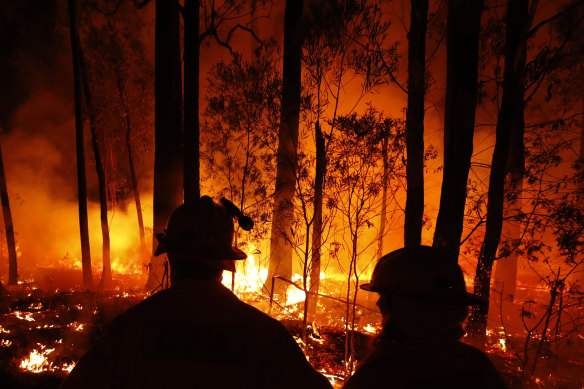
Understanding the varying degrees of bushfire threat is vital for efficient preparation and preparation in mitigating prospective dangers to homes and lives. Bushfire risk degrees are generally categorized based on factors such as weather condition problems, fuel schedule, topography, and historic fire habits. By comprehending these risk degrees, communities and people can proactively execute techniques to minimize vulnerability and enhance durability despite potential bushfire occasions.
The initial degree of bushfire threat is reduced risk, where the chance of a bushfire occurring and triggering significant injury is very little. This level usually occurs during durations of reduced temperature levels, moderate humidity, and minimal wind rates. Modest danger levels suggest an enhanced capacity for bushfires as a result of intensifying climate problems or fuel schedule. Risky degrees represent a significant danger, with conditions helpful to rapid fire spread and severe fire actions. Extreme danger degrees are one of the most critical, positioning unavoidable threat to lives and residential or commercial properties as a result of serious weather conditions and highly combustible gas.
Understanding these bushfire threat degrees makes it possible for stakeholders to customize their preparedness and response actions appropriately, ensuring a positive and efficient approach to bushfire administration.
Developing a Defensible Area
Effective bushfire management starts with establishing a defensible space around homes to enhance security versus potential fire threats. A defensible room is a buffer zone that creates a barrier in between a structure and the surrounding flammable plants. This space works as a vital line of protection, offering firemens a secure location to operate and helping to reduce the threat of a fire spreading to the building.
When creating a defensible area, it is necessary to consider the design of the building and the surrounding landscape. Clearing greenery, specifically very combustible plants, within a specific radius of the residential or commercial property can help avoid the rapid spread of fires. Furthermore, maintaining a well-irrigated area around the property can even more improve its defensibility.
Normal upkeep of the defensible space is crucial to guarantee its performance. This includes trimming overhanging branches, clearing dead greenery, and keeping the location cost-free of debris. By spending time and initiative into creating and maintaining a defensible room, homeowner can dramatically boost their possibilities of protecting their homes and properties during a bushfire.
Executing Fireproof Landscape Design
When designing landscapes to minimize the risk of bushfires, incorporating fireproof components is important for enhancing home security and reducing fire risks. Executing fire-resistant landscaping entails calculated planning to develop a defensible space around frameworks. Beginning by picking fireproof plant types that are much less likely to fire up and generate lower degrees of combustible materials. Select plants with high moisture material, reduced oil material, and minimal dead plant life to lower the risk of fire spread. In addition, keep appropriate spacing in between plants and keep them properly trimmed to avoid fire from quickly jumping between greenery.
Developing an Emergency Situation Emptying Plan
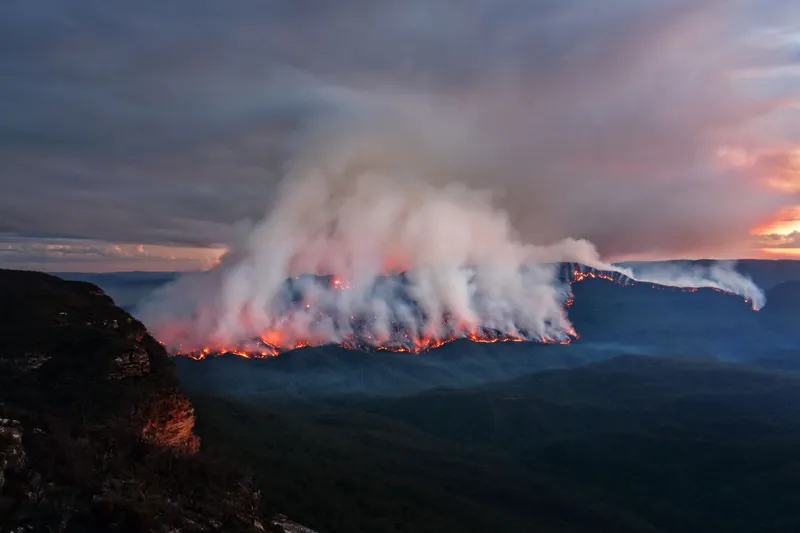
Developing an extensive emergency situation emptying plan is crucial for making certain the security and health of people throughout potential bushfire incidents (Bushfire Risk). An effective emptying plan need to outline clear procedures to comply with in case of a bushfire danger, including designated evacuation routes, setting up points, and communication procedures
To begin developing an emergency situation emptying plan, it is important to evaluate the specific dangers and vulnerabilities of your area. Identify multiple discharge paths that bring about safe locations far from the fire, thinking about elements such as terrain, roadway accessibility, and potential risks. Develop communication networks to alert locals of an upcoming emptying, utilizing methods such as sirens, text alerts, or door-to-door notifications.
Routinely evaluation and exercise the evacuation strategy with all locals or area participants to make certain every person comprehends their functions and obligations. Conduct drills to examine the efficiency of the strategy and make any type of required adjustments. By having a well-prepared discharge plan in position, you can enhance the possibilities of site link a safe and organized evacuation throughout a bushfire emergency situation.
Keeping Fire Security Tools
After establishing a comprehensive emergency discharge prepare for bushfire cases, it is imperative to prioritize the routine maintenance of fire safety devices to guarantee optimum functionality and readiness. Regular upkeep of fire security devices such as fire extinguishers, smoke detectors, fire alarms, and automatic sprinkler is critical in guarding lives and residential property during a bushfire. When required., conducting routine inspections, testing, and maintenance of these tools by qualified experts is vital to guarantee they are in working order.
Fire extinguishers ought to be examined regularly for stress degrees, noticeable damage, and appropriate performance. By faithfully keeping fire safety and security equipment, people can boost their readiness and feedback capacities in the occasion of a bushfire.
Final Thought
In verdict, reliable bushfire monitoring entails comprehending danger levels, creating defensible spaces, applying fireproof landscaping, establishing evacuation strategies, and preserving fire safety and security tools. By complying with these important pointers, individuals can ensure far better fire protection and safety for their homes and neighborhoods. It is necessary to prioritize positive steps to minimize the dangers get redirected here linked with bushfires and to be gotten ready for emergency situations.
By recognizing the nuances of bushfire threat levels, establishing defensible spaces, implementing fire-resistant landscape design, producing thorough evacuation strategies, and ensuring the upkeep of fire safety and security equipment, people and neighborhoods can significantly boost their strength versus the devastations of wildfires - BMP. These tips are not only crucial for guarding against instant fire navigate to this site dangers yet also for cultivating long-term fire security approaches that can make a substantial distinction in the face of escalating bushfire risks
High-risk levels symbolize a considerable threat, with conditions conducive to fast fire spread and severe fire habits. Regular maintenance of fire safety equipment such as fire extinguishers, smoke detectors, fire alarm systems, and lawn sprinkler systems is crucial in safeguarding lives and home during a bushfire.In verdict, efficient bushfire administration includes recognizing threat levels, creating defensible rooms, implementing fireproof landscape design, creating discharge strategies, and preserving fire safety and security devices.